eSTAR Is Now the Submission Standard: What 510(k) and De Novo Teams Should Fix Before They File
FDA’s eSTAR process is now central to 510(k) and De Novo submissions. Learn how medical device manufacturers can prepare structured evidence, reduce rework, and strengthen submission readiness.
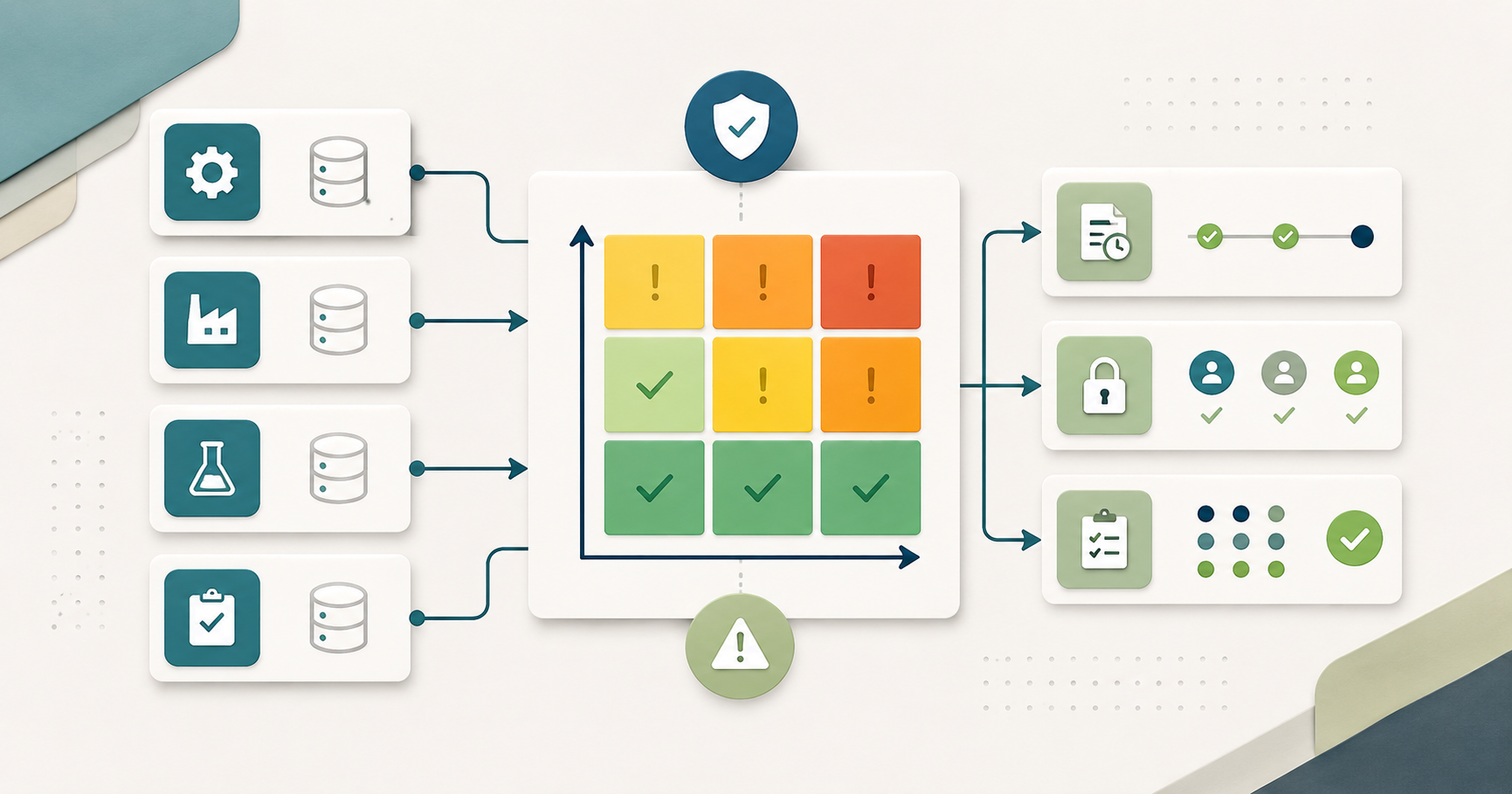
FDA's eSTAR program has changed how many medical device manufacturers need to think about submission readiness. For most 510(k) and De Novo submissions to CDRH or CBER, unless exempted, eSTAR is now the required electronic submission template.
That may sound like a formatting requirement. It is not.
For manufacturers, eSTAR creates a more structured way to present the device story. It prompts the submitter through key content areas and expects the evidence to be complete, consistent, and logically organized. A weak submission does not become strong because it is placed into the right template. In many cases, the template makes the weakness easier to see.
The short answer
eSTAR readiness begins long before the submission is assembled. It begins when the team defines, controls, and connects the evidence behind the device.
A manufacturer that waits until the end of development to "fill out eSTAR" may discover missing rationale, inconsistent claims, outdated labeling, incomplete risk links, software documentation gaps, or unresolved verification issues at the worst possible time.
Why eSTAR matters now
FDA's movement toward structured electronic submissions is part of a broader shift in regulatory operations. Review teams need clean, searchable, complete information. Manufacturers need predictable ways to package evidence. eSTAR supports that structure, but it also changes the internal preparation burden.
The submission team now needs reliable answers to questions such as:
- What is the intended use and indication for use, and does every evidence package support it?
- Are claims, labeling, testing, risk controls, and clinical or performance evidence aligned?
- Are software, cybersecurity, usability, biocompatibility, sterility, electrical safety, or performance sections complete where applicable?
- Can the team explain why certain testing is not needed?
- Is the device description consistent across the submission, design records, labeling, and risk file?
- Are attachments controlled, current, approved, and easy to identify?
Those questions are not submission formatting questions. They are lifecycle control questions.
Where manufacturers get stuck
Evidence is organized by department, not by submission story
Regulatory affairs may own the template. Engineering owns design records. Quality owns verification evidence and change records. Clinical owns study outputs. Labeling owns instructions and claims. Software owns architecture and testing. Supplier quality owns third-party reports.
Each team may be doing responsible work. The problem is that FDA receives one submission, not five departmental folders.
If the evidence does not tell one coherent story, eSTAR assembly becomes a reconciliation project.
Claims drift during development
Device claims often evolve as the product matures. Marketing wants clear differentiation. Clinical or performance testing may support some claims but not others. Engineering may refine the intended user, use environment, or indications. Labeling may lag behind design decisions.
By the time eSTAR is assembled, the team may find that the claim language in the executive summary, labeling, risk file, verification protocol, clinical evidence, and predicate comparison are not fully aligned.
Submission delays often begin as claim control problems.
Attachments are complete, but not inspection-ready
A submission can contain many attachments and still be difficult to review. Missing version control, unclear file names, contradictory dates, unapproved drafts, unlinked test reports, and unexplained deviations can create unnecessary questions.
FDA reviewers should not have to infer the logic behind the file package. The manufacturer should make the evidence easy to follow.
Risk management is treated as a separate appendix
Risk management should not appear only as a final report. It should connect to design inputs, verification, validation, labeling, usability, software, cybersecurity, manufacturing controls, and post-market planning.
When the risk file is disconnected, the submission may struggle to show how hazards were identified, controlled, verified, and carried into labeling or production controls.
A practical eSTAR readiness check
Before assembling the submission, choose the likely eSTAR sections and ask whether each section has a controlled evidence owner.
For each section, confirm:
- The current approved source document
- The person responsible for content accuracy
- The related design, risk, labeling, software, clinical, or manufacturing records
- Open issues that could affect submission content
- Required attachments and approval status
- Gaps that need management attention before filing
Then run a consistency review across the submission story:
- Intended use and indications
- Device description
- Predicate or comparison rationale, if applicable
- Risk controls
- Performance testing
- Software documentation
- Cybersecurity documentation, where applicable
- Labeling and user information
- Clinical or analytical performance evidence, where applicable
If the story changes depending on which document you open, the submission is not ready.
What good looks like in practice
A strong eSTAR submission is built from a controlled lifecycle system. Regulatory strategy establishes the pathway and evidence burden early. Design controls capture intended use, user needs, design inputs, verification, validation, and traceability. Risk management remains connected to design and labeling decisions. Clinical or performance evidence is planned around claims. Software and cybersecurity documentation are developed with the product, not after the product. Submission content is assembled from approved records instead of recreated from memory.
That approach reduces rework because the submission becomes the output of controlled development rather than a separate end-stage project.
Key takeaways
- eSTAR is now central to most 510(k) and De Novo submission workflows.
- The template does not fix weak evidence. It exposes whether the evidence is complete and aligned.
- Manufacturers should control claims, attachments, risk links, software documentation, labeling, and testing evidence before submission assembly begins.
- eSTAR readiness is strongest when the regulatory story is built throughout the product lifecycle.
- A connected compliance platform helps teams avoid last-minute evidence reconciliation.
How IntelaSolve helps
IntelaSolve connects regulatory strategy, design controls, risk management, clinical evidence, software documentation, labeling, quality records, and submission planning across the full product lifecycle. For 510(k), De Novo, and diagnostics teams, that means eSTAR preparation can begin with the first regulatory strategy decision, not during the final scramble before upload.
Request early access to IntelaSolve or complete the Compliance Readiness Analysis to see whether your submission evidence is connected, current, and ready for review.